Engine Oil & Oil Filter
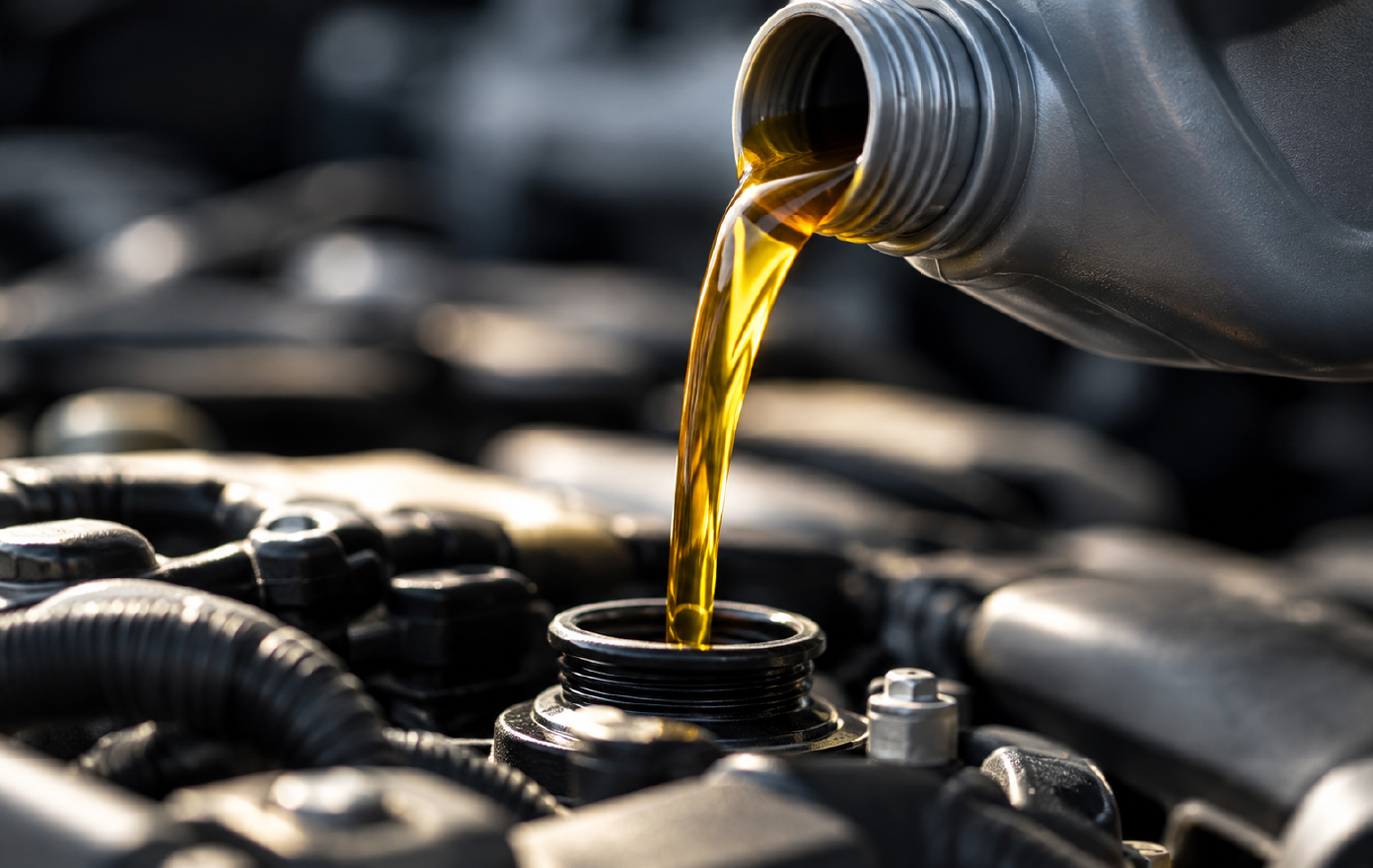
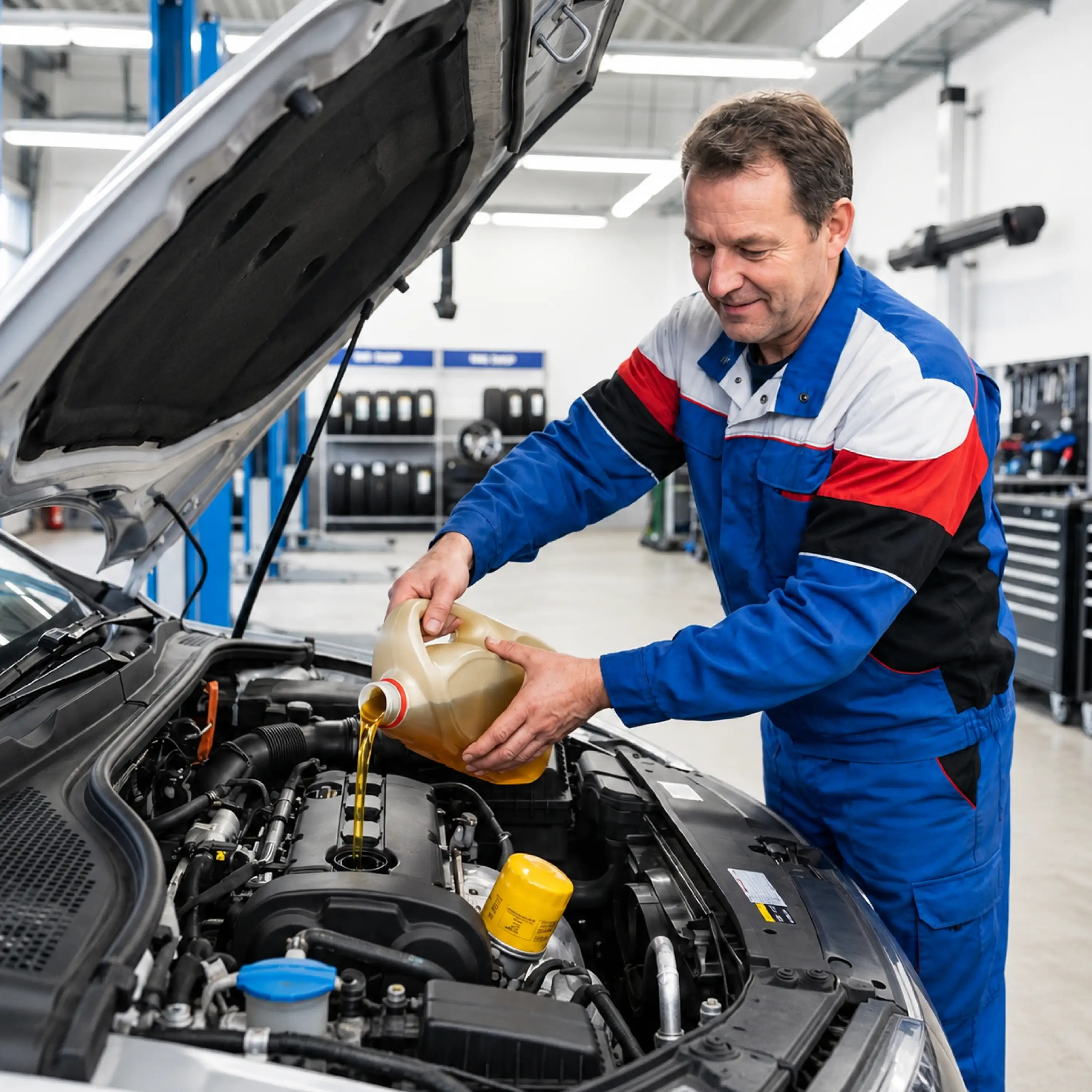
Engine Oil & Oil Filter Change – Protect the Heart of Your Car
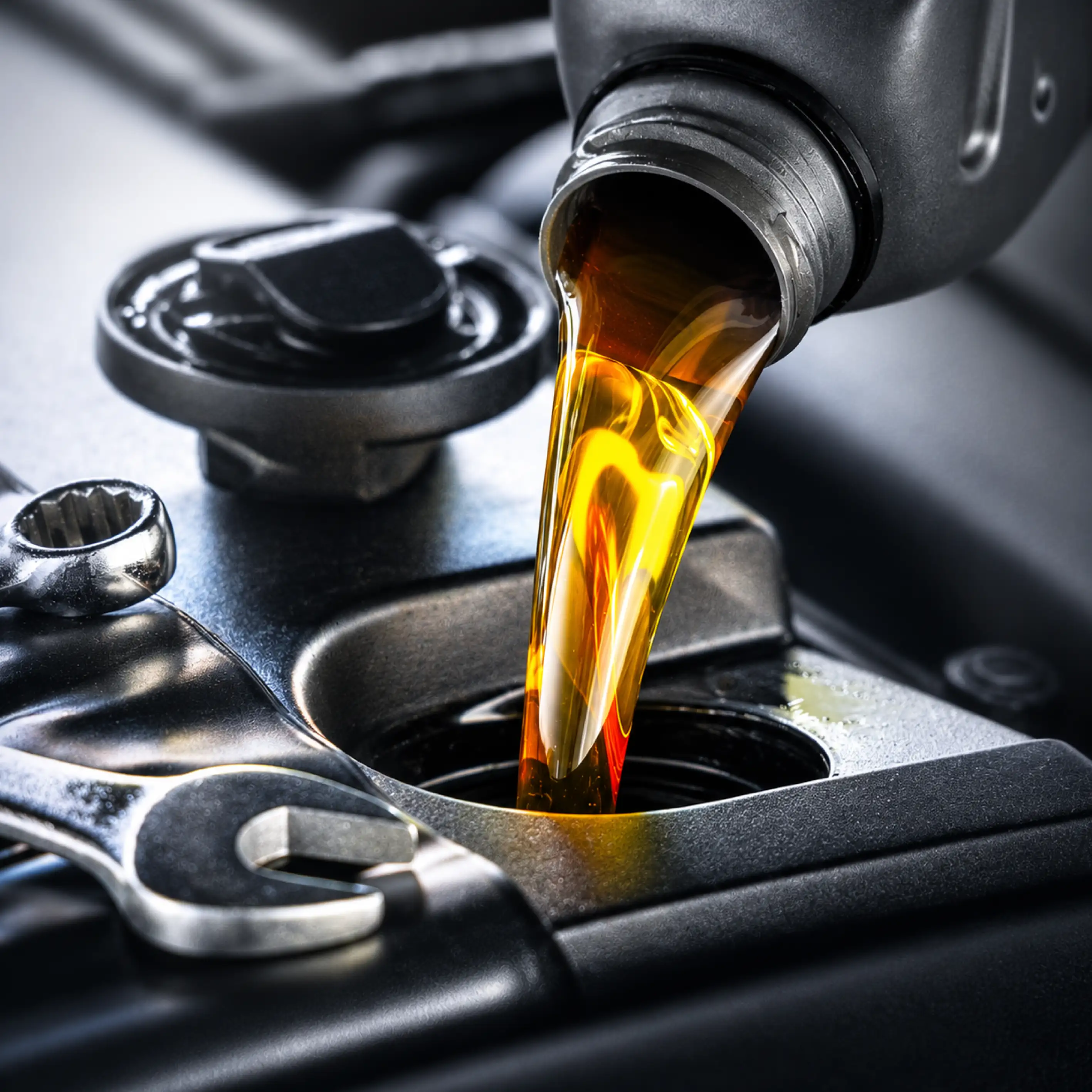
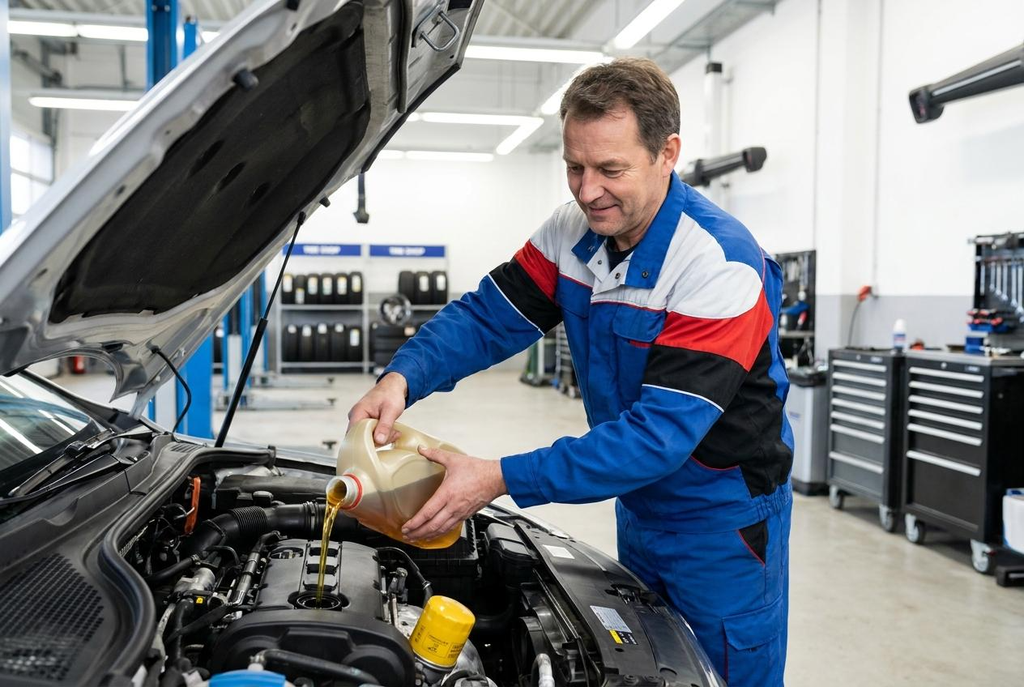
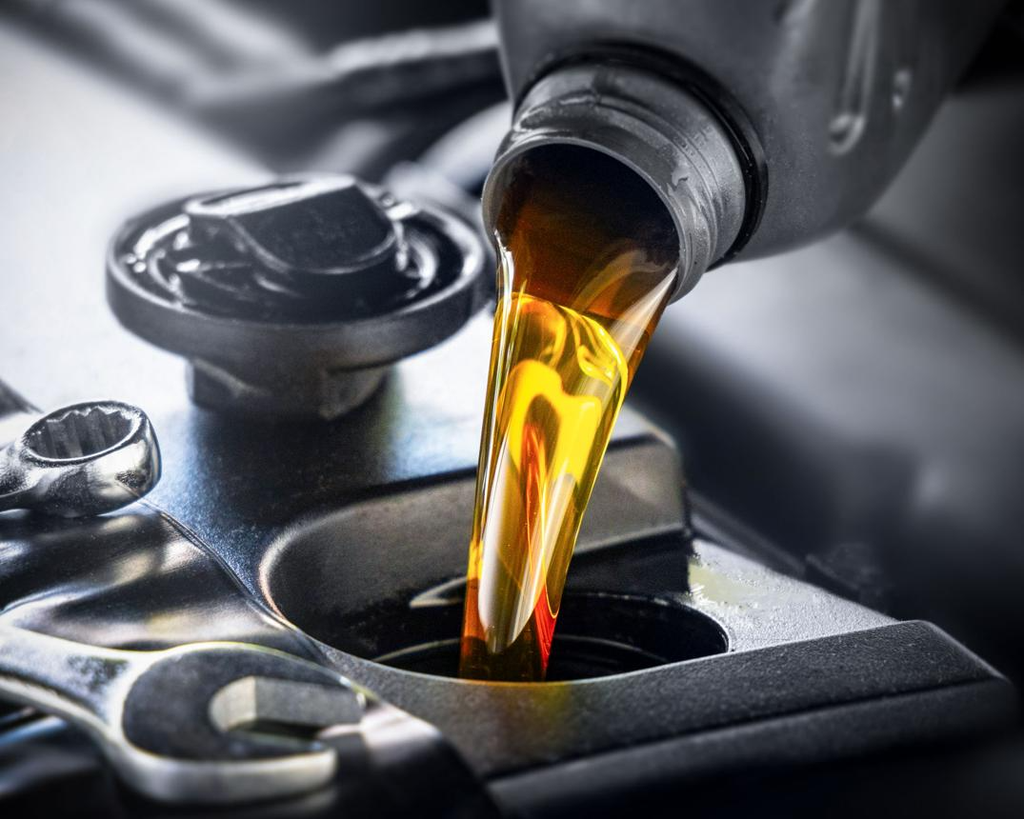
Regular oil changes are one of the most important things you can do to protect your engine.
At Hardings (Hemel Hempstead) Ltd, we understand that your car is an important part of everyday life, whether you’re commuting to work, taking the children to school or heading off on a longer journey.
Your vehicle’s engine contains numerous moving components operating at high speeds and temperatures. To keep everything working smoothly, your engine relies on a constant supply of clean, high-quality oil.
Over time, engine oil deteriorates and can become contaminated, reducing its ability to protect the engine effectively.
Regular engine oil and oil filter changes are among the simplest and most effective ways to help prevent premature engine wear and potentially expensive repairs.
Why Should You Change Your Engine Oil?
1. Helps Prevent Engine Wear and Damage
Your engine contains many moving metal components, including pistons, crankshafts, camshafts and bearings.
Engine oil creates a protective film between these components, reducing friction and preventing excessive metal-to-metal contact.
As oil ages and becomes contaminated, its protective properties can deteriorate.
Regular oil changes help ensure that your engine receives the lubrication it needs, reducing unnecessary wear and helping prolong engine life.
2. Helps Keep Your Engine Clean
During normal operation, your engine can produce contaminants including combustion by-products, soot and tiny particles of wear debris.
Over time, these can accumulate within the oil.
If oil is left unchanged for too long, deposits and sludge may form, potentially restricting oil flow and affecting engine components.
Fresh engine oil contains additives designed to help keep contaminants suspended and protect internal surfaces.
Changing the oil and filter at the recommended intervals helps keep your engine cleaner internally.
3. Helps Maintain Engine Performance
Correct lubrication is essential for your engine to operate efficiently.
Old, contaminated or unsuitable oil may affect components that depend on precise oil pressure and flow, including variable valve timing systems and turbochargers.
Using the correct fresh engine oil helps maintain normal operation and protect these components.
4. Helps Protect Your Turbocharger
Many modern petrol and diesel engines are fitted with turbochargers.
Turbochargers operate at extremely high speeds and temperatures and rely on a supply of clean engine oil for lubrication and, in many designs, cooling.
Contaminated oil, incorrect oil specifications or inadequate lubrication can contribute to premature turbocharger wear or failure.
Regular oil changes using the correct specification help protect these expensive components.
5. Helps Prevent Expensive Engine Repairs
Neglecting oil changes can contribute to serious mechanical problems.
In severe cases, inadequate lubrication or oil-related contamination can result in damage to bearings, timing components, turbochargers and other internal engine parts.
Repairs can cost hundreds or even thousands of pounds, depending on the vehicle and the extent of the damage.
A routine oil and filter change is a relatively small maintenance expense compared with the potential cost of major engine repairs.
6. Helps Maintain Your Vehicle’s Value
A documented service history can make your vehicle more attractive to potential buyers.
Regular oil changes demonstrate that the engine has been maintained in accordance with recommended servicing requirements.
Keeping a record of servicing may help support your vehicle’s resale value and provide reassurance to a future owner.
Why Should the Oil Filter Be Changed at the Same Time?
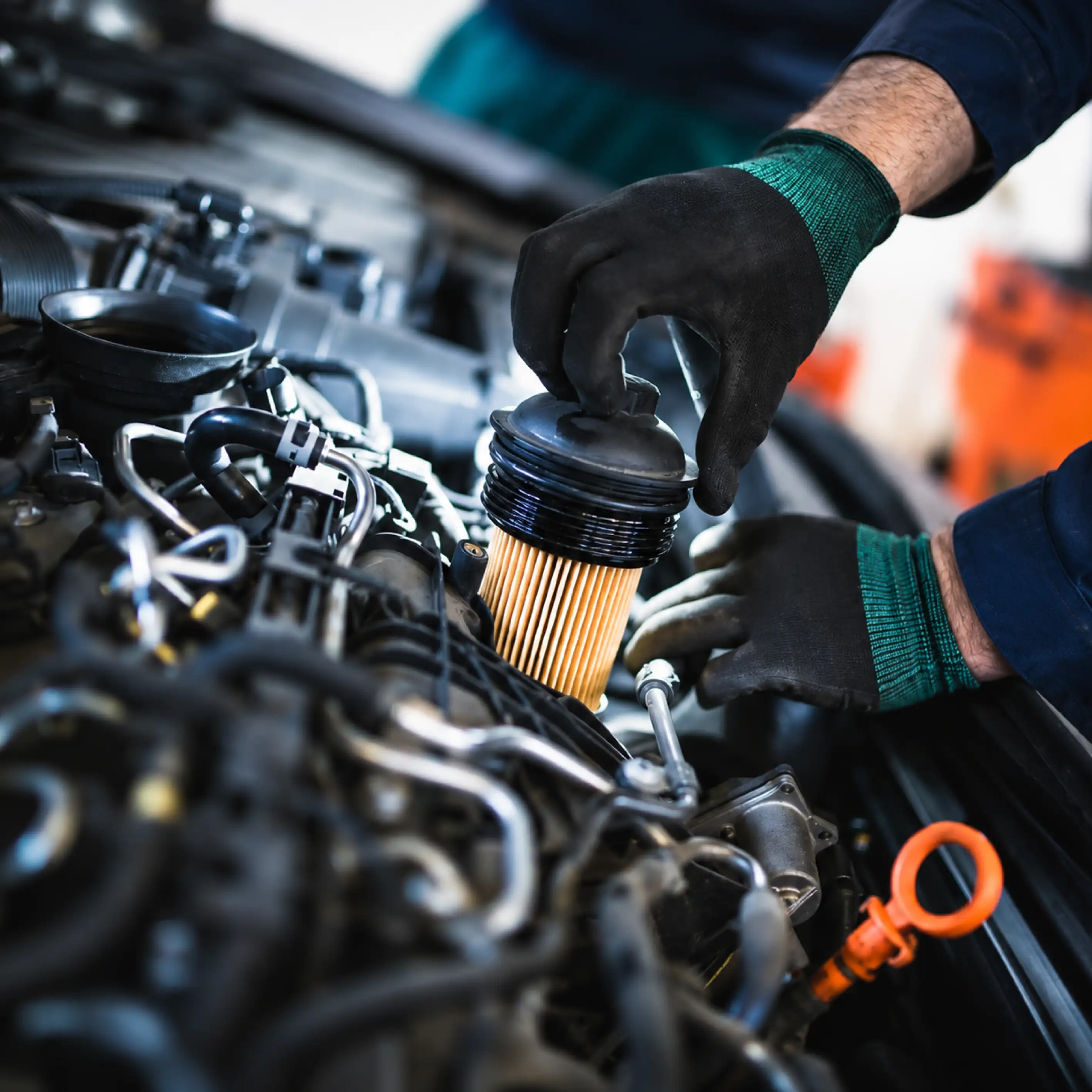
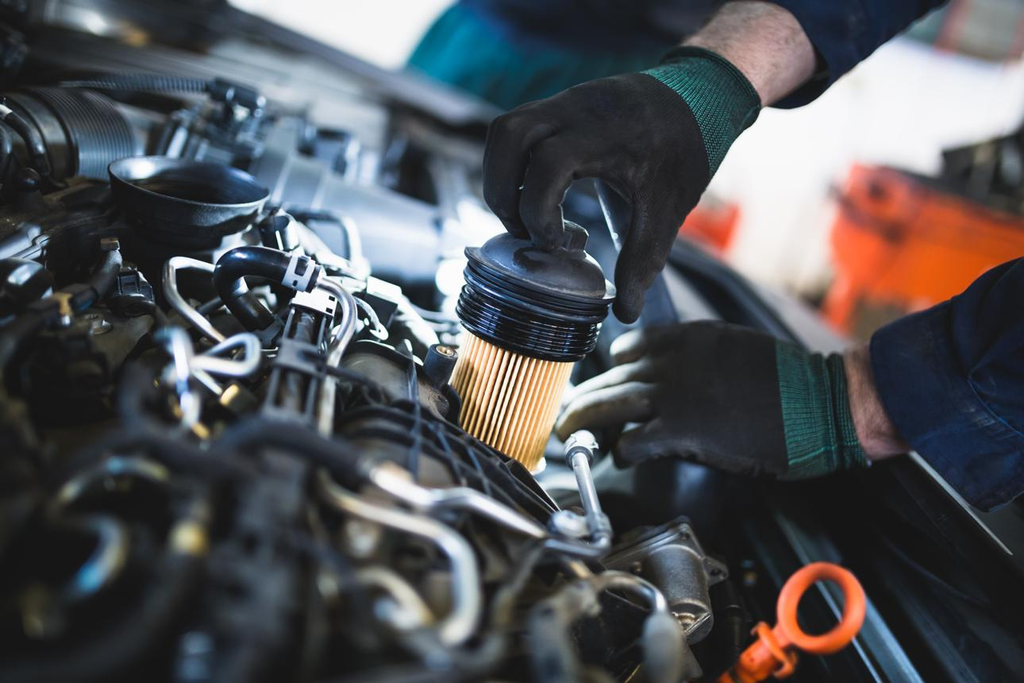
Your vehicle’s oil filter is designed to remove contaminants from the engine oil as it circulates.
Over time, the filter collects particles and becomes loaded with debris.
If the filter becomes excessively restricted, some designs allow oil to bypass the filter element to maintain lubrication, meaning oil may circulate without being fully filtered.
Replacing the oil filter whenever the engine oil is changed helps ensure that fresh oil passes through a clean filtration system.
At Hardings, we recommend replacing the appropriate oil filter as part of a routine engine oil change.
How Do You Know if Your Engine Oil Needs Changing?
Unlike some vehicle components, deteriorating engine oil does not always produce obvious warning signs.
Your vehicle may appear to run perfectly normally even when its oil change is overdue.
Signs that your engine may require attention include:
- The service or oil change reminder appearing on the dashboard.
- Your vehicle reaching its recommended service interval.
- Excessive engine noise or unusual rattling.
- Oil that has become contaminated or contains sludge.
- Unusual engine operation or performance.
Important: Dark engine oil does not automatically mean it needs changing, particularly in diesel engines, where oil can darken relatively quickly.
Similarly, an illuminated red oil pressure warning light can indicate a serious lubrication problem. If this appears while driving, stop safely and switch off the engine immediately. Do not continue driving until the cause has been investigated.
How Often Should Engine Oil Be Changed?
The correct replacement interval depends on your vehicle’s manufacturer, engine type, age, mileage and driving conditions.
Some vehicles require an oil change every 6,000–10,000 miles or 12 months, while others have longer service intervals, sometimes extending to 18,000 miles or more.
Certain manufacturers use variable servicing systems that calculate when maintenance is due based on driving conditions.
Short journeys, frequent cold starts, stop-start traffic, towing and other demanding conditions may require more frequent oil changes.
At Hardings, we recommend following the manufacturer’s servicing schedule, including any requirements for severe driving conditions.
Even if you cover very few miles, engine oil can still deteriorate over time, making time-based servicing important.
Is It Worth Changing Your Oil More Frequently?
For some vehicles, yes.
Cars regularly used for short journeys, frequent stop-start driving or other demanding conditions may benefit from shorter oil change intervals, particularly where recommended by the manufacturer.
This can be especially relevant for certain turbocharged engines and engines with specific oil-related maintenance requirements.
However, not every vehicle requires additional oil changes beyond the manufacturer’s recommended schedule.
Our team can advise on the appropriate servicing interval for your particular vehicle.
Does It Matter Which Engine Oil Is Used?
Absolutely!
Not all engine oils are the same.
Modern engines are designed to operate using oils with particular viscosity grades and manufacturer-approved specifications.
Using the wrong oil can affect lubrication, engine protection, emissions-control systems and the operation of certain engine components.
Some vehicles, particularly those fitted with wet timing belts, have specific oil requirements that must be followed carefully.
At Hardings, we use engine oil selected to meet the appropriate manufacturer specifications for your vehicle.
The correct oil is just as important as changing it at the correct interval.
What Happens if You Don’t Change Your Engine Oil?
Delaying an oil change beyond the recommended interval may increase the risk of:
- Increased engine friction and wear.
- Sludge and deposit formation.
- Restricted oil passages.
- Premature turbocharger damage.
- Problems with oil-operated timing and valve systems.
- Reduced engine reliability.
- Serious internal engine damage in severe cases.
Although these problems do not happen immediately when an oil change becomes overdue, continued neglect can significantly increase the risk of costly mechanical failure.
Oil Change vs Full Service – What’s the Difference?
Customers sometimes ask whether an oil change is the same as having their vehicle serviced.
Although an oil and filter change forms an important part of many routine services, it is not the same as a comprehensive vehicle service.
Engine Oil & Filter Change
Concentrates on replacing the engine oil and oil filter, using the correct specification for your vehicle.
Vehicle Service
Depending on the manufacturer’s schedule and the service level, this may also include checks or replacement of other components, such as:
- Engine air filter.
- Pollen filter.
- Fuel filter.
- Spark plugs.
- Brake fluid.
- Tyres and brakes.
- Suspension and steering components.
- Fluid levels and general vehicle condition.
A full service provides a broader opportunity to identify developing problems and keep your vehicle properly maintained.
Why Choose Hardings?
At Hardings (Hemel Hempstead) Ltd, we’ve been looking after motorists since 1946.
With decades of motor industry experience, we understand how important correct servicing is to your engine’s reliability and long-term performance.
As an independent garage, we service and maintain all makes and models of cars and light commercial vehicles.
Whether your car is due for its annual service, has covered a high mileage or simply needs an engine oil and filter change, our experienced technicians can advise on the appropriate maintenance.
We use suitable quality components and the correct manufacturer-specified engine oil for your vehicle.
We’ll explain the work required and provide a clear quotation before carrying out any additional repairs.
Don’t Wait Until Engine Problems Develop
Your engine oil works hard every time you start your car.
Keeping it clean and replacing it at the correct intervals is one of the most important ways to help protect your engine against premature wear and expensive repairs.
Book Your Engine Oil & Filter Change Today
Not sure when your last oil change was carried out or when your next one is due?
Contact Hardings (Hemel Hempstead) Ltd with your vehicle registration and current mileage, and our friendly team can advise on the recommended servicing requirements and provide a competitive quotation.
Hardings – Looking After You and Your Car Since 1946.
1. National Brake Fluid, Its Boiling Point Decreases.
Under demanding conditions, such as repeated heavy braking, towing or travelling down steep hills, excessively moisture-contaminated fluid may begin to boil.
This can create vapour within the braking system, potentially causing a soft or spongy brake pedal and reduced braking effectiveness.
Replacing deteriorated brake fluid helps maintain the performance and safety of your braking system.
2. Brake Fluid Deteriorates with Age, Not Just Mileage
Many motorists assume that if they haven’t driven many miles, their brake fluid won’t need replacing.
Unfortunately, this isn’t necessarily true.
Most modern vehicles use glycol-based brake fluid, which gradually absorbs moisture over time.
Even a vehicle covering only a few thousand miles a year may require a brake fluid change because of its age.
Unlike brake pads and tyres, brake fluid replacement is commonly based on time rather than mileage.
3. Helps Prevent Corrosion Inside Your Braking System
Moisture contamination doesn’t just affect braking performance.
Water absorbed into the brake fluid can contribute to internal corrosion within components such as:
- Brake pipes and hydraulic lines.
- Brake calipers.
- Brake master cylinders.
- ABS hydraulic control units.
These components can be expensive to repair or replace.
Changing brake fluid at the recommended intervals helps limit moisture-related corrosion and protect the braking system.
4. Helps Protect Your ABS and Stability Control Systems
Modern vehicles use sophisticated braking technology, including Anti-lock Braking Systems (ABS) and Electronic Stability Control (ESC).
These systems rely on hydraulic components and control valves to regulate brake pressure.
Contaminated brake fluid can contribute to corrosion and deterioration within sensitive hydraulic components.
Using the correct specification of clean brake fluid helps protect these important systems.
5. Helps Avoid Potentially Expensive Repairs
A brake fluid change is a relatively inexpensive maintenance procedure compared with replacing major braking components.
Neglecting brake fluid replacement can increase the risk of moisture-related corrosion and hydraulic system problems.
Regular replacement is sensible preventative maintenance that may help avoid more costly repairs later.
How Do You Know if Your Brake Fluid Needs Changing?
One of the biggest problems with ageing brake fluid is that there may be no obvious warning signs.
Your brakes may feel perfectly normal during everyday driving, even when the fluid has absorbed excessive moisture.
Possible signs that your brake fluid or braking system requires attention include:
- A brake fluid change being due according to the manufacturer’s schedule.
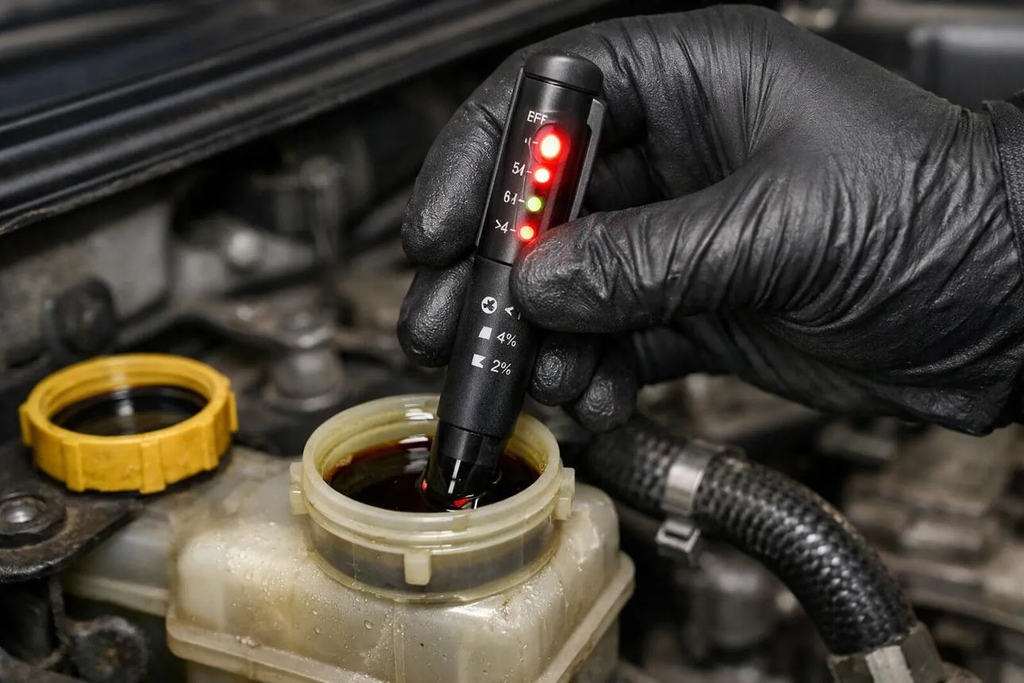
- A high moisture reading from a suitable brake fluid test.
- A soft or spongy brake pedal.
- Brake fluid that is visibly contaminated.
- A brake warning light appearing on your dashboard.
- A noticeable change in braking performance.
Important: A soft brake pedal or reduced braking performance may indicate a serious braking fault, not simply old brake fluid. If your brakes aren’t functioning normally, do not continue driving. Have the vehicle inspected professionally.
How Often Should Brake Fluid Be Changed?
Many vehicle manufacturers recommend replacing brake fluid approximately every two years, regardless of mileage.
However, the correct interval varies depending on the vehicle manufacturer, model and type of brake fluid used.
Some vehicles have different replacement schedules, so it’s important to follow the manufacturer’s recommendations.
At Hardings, we can check the recommended interval for your particular vehicle and advise whether replacement is due.
Remember: Even if you only drive a few thousand miles a year, your brake fluid may still need replacing.
What Happens if You Don’t Change Your Brake Fluid?
As conventional brake fluid ages and absorbs moisture, several problems may develop:
- A reduction in the fluid’s boiling point.
- Increased risk of vapour forming during demanding braking conditions.
- Possible loss of braking effectiveness under high temperatures.
- Internal corrosion of hydraulic braking components.
- Potential problems with ABS hydraulic components.
- Increased risk of costly repairs.
Although these problems may develop gradually, the consequences of severely deteriorated brake fluid can be serious.
Replacing it at the recommended intervals helps reduce these risks.
What Is Involved in a Brake Fluid Change?
A professional brake fluid replacement generally involves:
- Checking the manufacturer’s brake fluid specification.
- Inspecting relevant parts of the braking system for obvious leaks or defects.
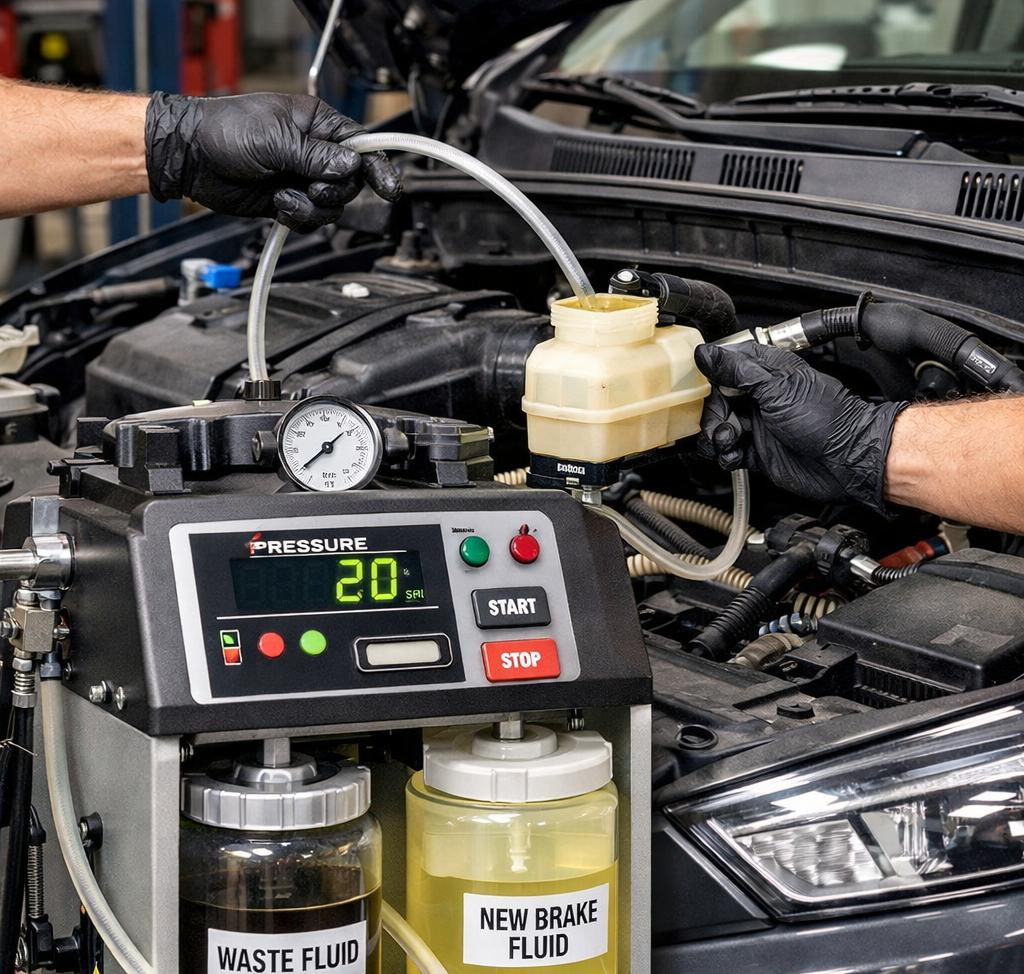
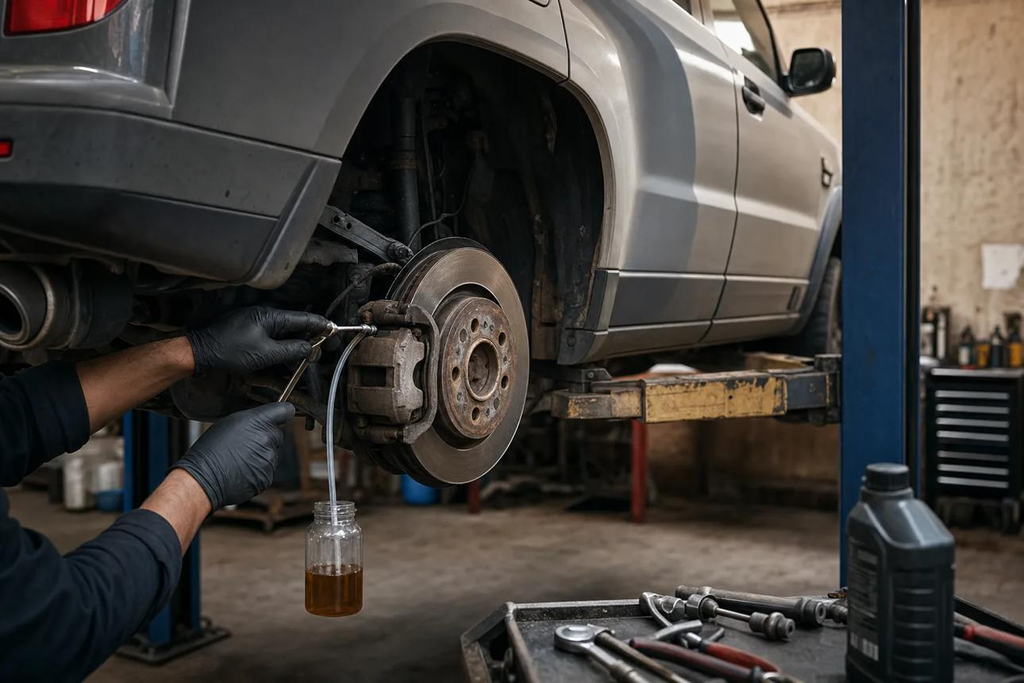
- Removing the old brake fluid from the hydraulic braking system using the appropriate procedure.
- Replacing it with new fluid meeting the manufacturer’s required specification.
- Bleeding the braking system correctly to remove trapped air.
- Checking the brake pedal feel, fluid level and system operation.
Some vehicles require specific equipment or procedures, particularly those with certain ABS or electronically controlled braking systems.
At Hardings, our experienced technicians follow the appropriate servicing procedures for your vehicle.
Does It Matter Which Brake Fluid Is Used?
Absolutely!
Not all brake fluids are the same.
Common brake fluid classifications include:
DOT 3
Used in certain vehicles, particularly older models, depending on manufacturer requirements.
DOT 4
Widely used in modern vehicles and designed to meet specified braking-system performance requirements.
DOT 5.1
A glycol-based brake fluid with performance characteristics suitable for certain applications.
DOT 5
A silicone-based fluid used in specific applications. It must not be confused with DOT 5.1 and is generally unsuitable for systems designed for conventional glycol-based brake fluids.
The correct fluid depends on the vehicle manufacturer’s requirements.
Using an incorrect or incompatible brake fluid can cause serious braking-system problems.
At Hardings, we use brake fluid that meets the appropriate specification for your vehicle.
Brake Fluid Change vs Brake Pads and Discs – What’s the Difference?
Although all three are essential to braking, they perform very different functions.
Brake Fluid
Transfers hydraulic pressure through the braking system, allowing the brakes to operate.
Brake Pads
Create friction against the brake discs to slow the wheels.
Brake Discs
Provide the braking surfaces against which the pads operate.
Brake pads and discs wear primarily through use, whereas conventional brake fluid also deteriorates with age and moisture absorption.
This means your brake fluid can be due for replacement even when your brake pads and discs are in excellent condition.
Will My Car Fail Its MOT Because of Old Brake Fluid?
An MOT test checks important aspects of the braking system, including braking efficiency, visible defects and certain fluid-related issues.
However, an MOT does not routinely include a brake fluid moisture or boiling-point test.
A vehicle can therefore pass its MOT while its brake fluid is overdue for replacement.
Passing an MOT should not be confused with completing the manufacturer’s recommended servicing.
At Hardings, we recommend keeping up to date with both MOT testing and routine vehicle maintenance.
Why Choose Hardings?
At Hardings (Hemel Hempstead) Ltd, we’ve been looking after motorists since 1946.
With decades of motor industry experience, we understand how important maintaining your vehicle’s braking system is to your safety.
As an independent garage, we service and repair all makes and models of cars and light commercial vehicles.
Our experienced technicians can advise whether your brake fluid is due for replacement and carry out the work using the correct fluid specification and appropriate procedures.
We’ll explain what your vehicle requires and provide a clear quotation before carrying out any additional work.
Don’t Compromise on Your Braking System
Your brakes are one of the most important safety systems on your vehicle.
While brake pads and discs often receive the most attention, the fluid operating your braking system is just as important.
Regular brake fluid replacement helps maintain dependable braking performance, protect hydraulic components and reduce the risk of expensive repairs.
Book Your Brake Fluid Replacement Today
Not sure when your brake fluid was last changed?
Contact Hardings (Hemel Hempstead) Ltd with your vehicle registration number, and our friendly team can check the manufacturer’s recommended replacement interval and provide a competitive quotation.
Hardings – Looking After You and Your Car Since 1946.
1. Helps Prevent Engine Wear and Damage
2. Helps Keep Your Engine Clean
3. Helps Maintain Engine Performance
4. Helps Protect Your Turbocharger
5. Helps Prevent Expensive Engine Repairs
6. Helps Maintain Your Vehicle’s Value