Spark Plug
October 16, 2026
|
Hardings Garage
What Does a Spark Plug Actually Do?
Your petrol engine relies on a precisely timed combustion process to generate power.
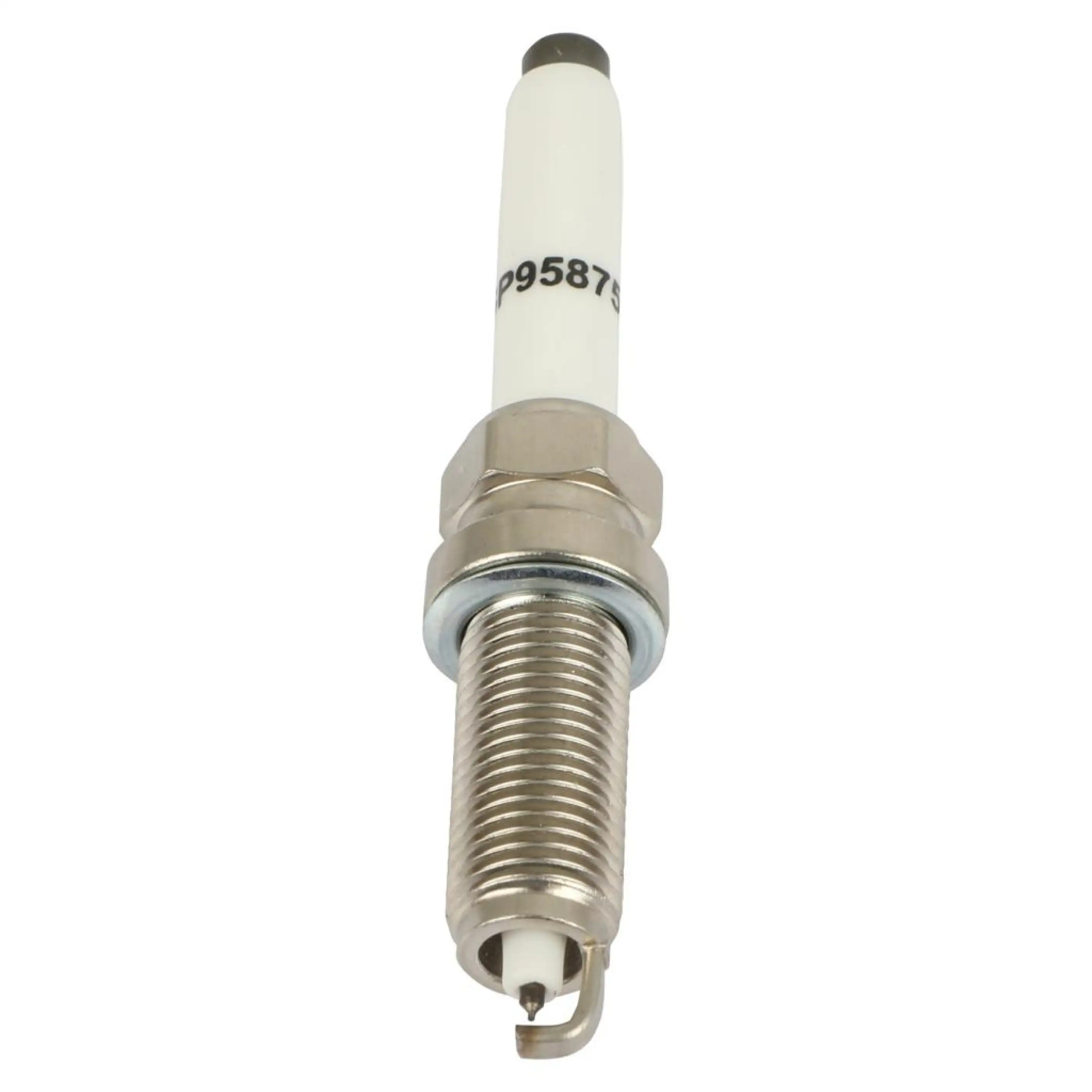
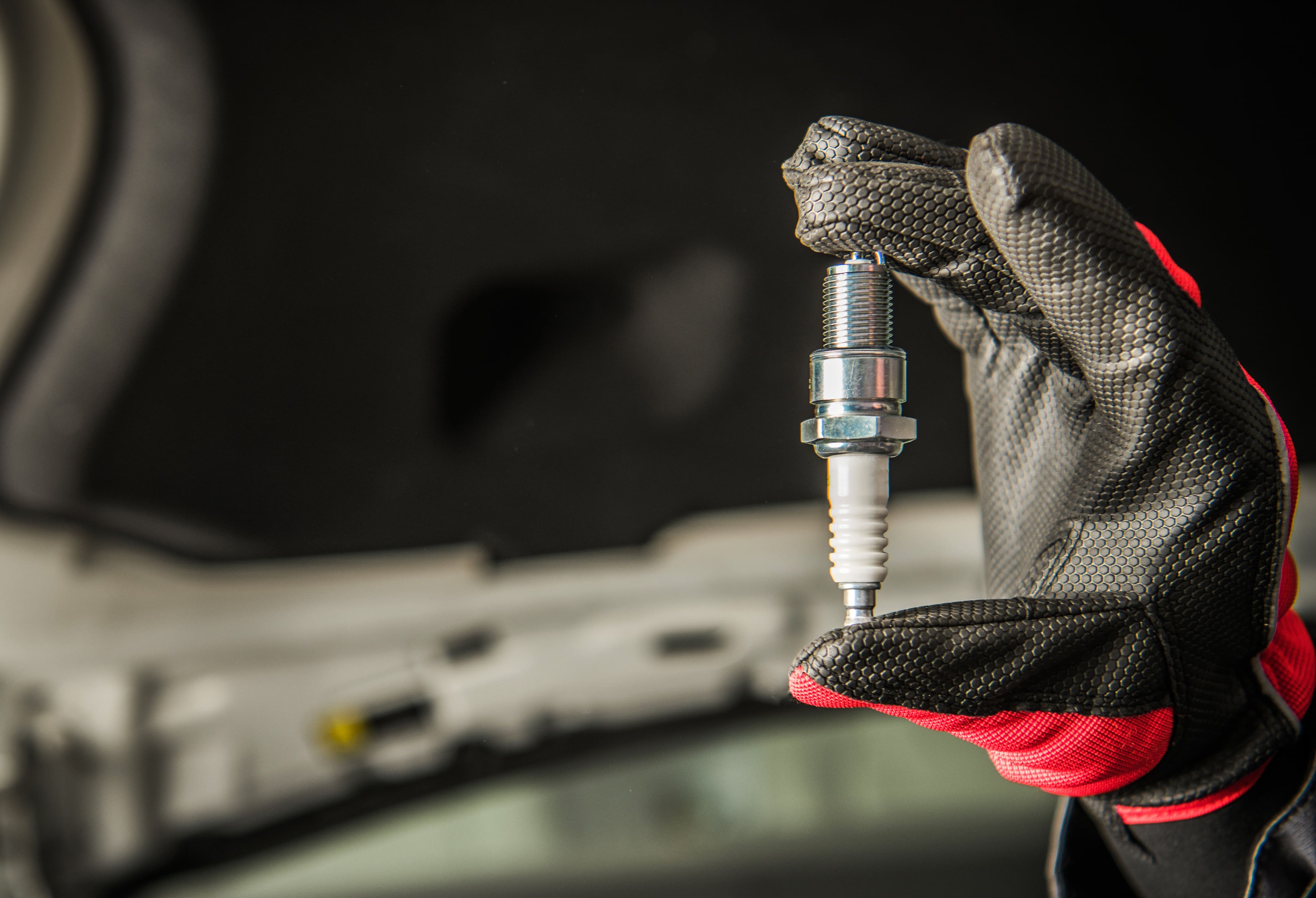
Inside each cylinder, a spark plug produces an electrical spark that ignites the compressed mixture of air and fuel.
This controlled combustion generates the force that drives the engine’s pistons and ultimately powers your vehicle.
Spark plugs must operate repeatedly under extremely high temperatures and pressures.
Depending on engine speed and design, they can produce thousands of sparks every minute.
In simple terms, without correctly functioning spark plugs, a conventional petrol engine cannot run properly.
Why Should You Change Your Spark Plugs?
1. Helps Maintain Engine Performance
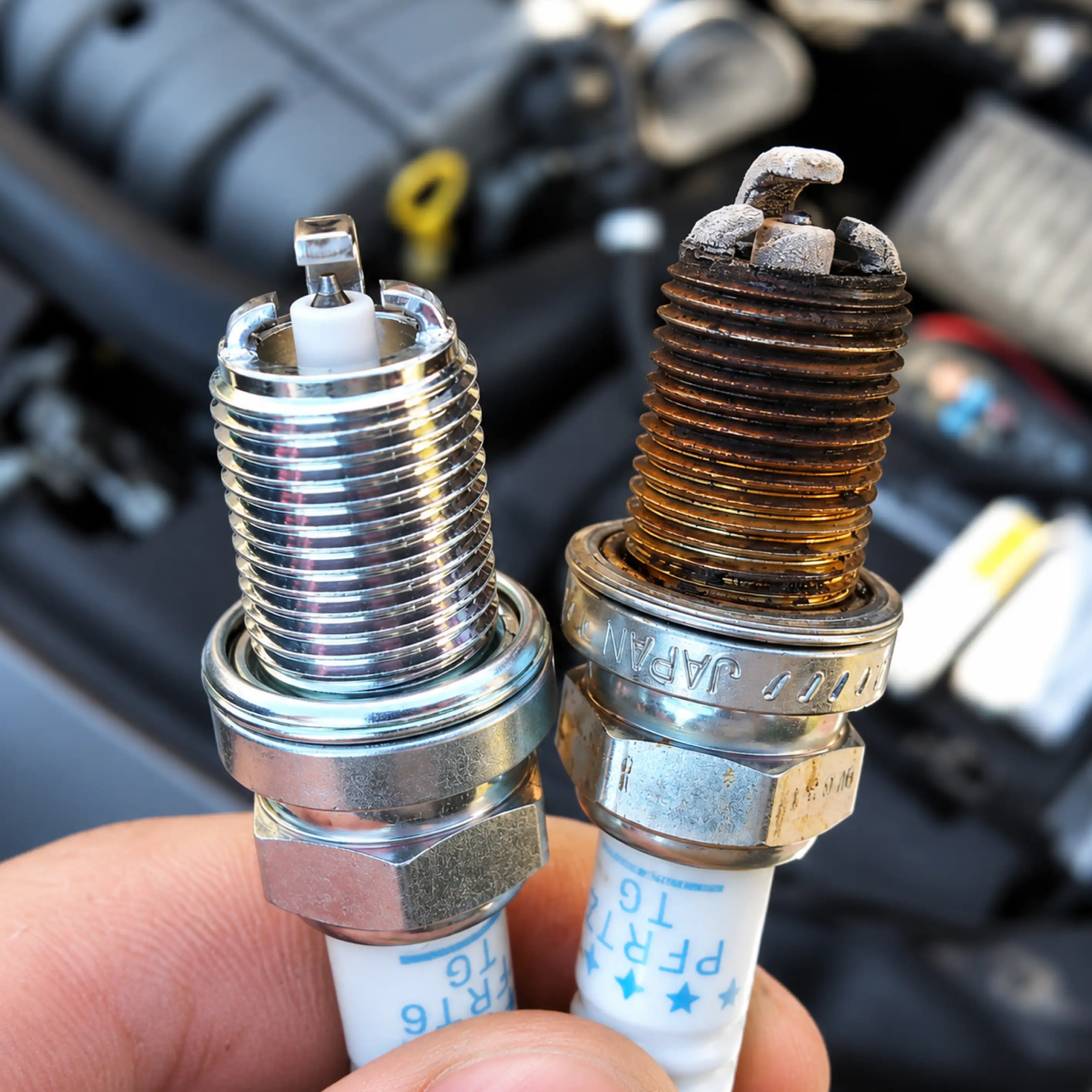
As spark plugs age, their electrodes gradually wear.
This can increase the voltage required to produce a reliable spark.
Worn spark plugs may struggle to ignite the air and fuel mixture consistently, potentially affecting engine performance.
Replacing spark plugs at the recommended intervals helps maintain smooth and reliable engine operation.
2. Helps Maintain Fuel Efficiency
Your engine depends on consistent combustion to operate efficiently.
If spark plugs are severely worn or misfiring, some of the fuel entering the engine may not burn as intended.
This can contribute to increased fuel consumption and poor running.
Replacing worn spark plugs helps restore proper ignition performance where deterioration is affecting combustion.
3. Helps Prevent Engine Misfires
An engine misfire occurs when combustion does not take place correctly in one or more cylinders.
Worn or damaged spark plugs are one possible cause.
Misfires can produce symptoms including:
- Engine hesitation.
- Rough or uneven running.
- Reduced acceleration.
- Unusual engine vibration.
- Increased exhaust emissions.
- An illuminated engine management warning light.
Replacing worn spark plugs can help prevent ignition-related misfires, although similar symptoms can also be caused by other faults.
4. Helps Protect Your Catalytic Converter
Your catalytic converter is an important and potentially expensive component of your vehicle’s emissions control system.
When an engine misfires, unburnt fuel may enter the exhaust system.
This can cause the catalytic converter to overheat, potentially resulting in serious damage.
Maintaining the ignition system, including replacing spark plugs when required, helps reduce the risk of misfire-related damage.
5. Helps Maintain Reliable Starting
Your spark plugs play a vital role every time you start your petrol engine.
Worn or contaminated spark plugs can contribute to difficult starting, particularly in certain operating conditions.
Replacing them at the appropriate intervals helps maintain reliable ignition and starting performance.
6. Helps Avoid Potentially Expensive Repairs
Spark plugs are generally relatively inexpensive compared with major engine or emissions-system components.
Neglecting badly worn spark plugs can contribute to misfires, poor running and additional stress on ignition components.
In severe cases, prolonged misfiring can damage the catalytic converter.
Regular replacement is sensible preventative maintenance that helps reduce avoidable problems.
How Do You Know if Your Spark Plugs Need Changing?
Unlike some vehicle components, spark plugs can gradually deteriorate without producing obvious symptoms.
Your engine may appear to run normally even when spark plug replacement is due.
Possible warning signs include:
- Difficulty starting the engine.
- Rough or uneven idling.
- Hesitation during acceleration.
- Reduced engine performance.
- Increased fuel consumption.
- Engine misfires.
- An illuminated engine management warning light.
- Your vehicle reaching its scheduled spark plug replacement interval.
Important: These symptoms do not automatically mean that your spark plugs are faulty.
Ignition coils, fuel injectors, sensors and other engine components can cause similar problems.
If your engine management light is flashing, this may indicate a serious misfire that could damage the catalytic converter. Avoid continued driving and arrange professional assistance.
How Often Should Spark Plugs Be Replaced?
There is no single replacement interval suitable for every petrol engine.
The correct schedule depends on the vehicle manufacturer, engine design and type of spark plugs fitted.
Some conventional spark plugs may require replacement approximately every 20,000–30,000 miles, while certain long-life platinum or iridium spark plugs can have replacement intervals of 60,000–100,000 miles or more.
Some manufacturers also specify time-based replacement intervals.
At Hardings, we recommend following the manufacturer’s servicing schedule rather than replacing spark plugs at an arbitrary mileage.
Even if your engine appears to be running perfectly, your spark plugs may still be due for replacement.
What Are the Different Types of Spark Plugs?
Not all spark plugs are the same.
Manufacturers specify particular spark plug designs to suit their engines.
Common types include:
Conventional Nickel Spark Plugs
Often used in older or certain standard petrol engines.
These generally have shorter replacement intervals than some long-life designs.
Platinum Spark Plugs
Use platinum in the electrode construction to improve wear resistance and support longer service intervals in suitable engines.
Iridium Spark Plugs
Use a highly wear-resistant material that allows for durable, fine-electrode designs.
These are frequently used in modern petrol engines and can offer long service life when specified by the manufacturer.
The correct spark plug is determined by the vehicle manufacturer’s requirements, not simply by choosing the most expensive type.
Spark plugs also differ in heat range, reach, electrode design and other important characteristics.
Using an incorrect spark plug can affect performance or potentially damage the engine.
At Hardings, we use suitable quality spark plugs that meet the correct specifications for your vehicle.
Can Worn Spark Plugs Affect Fuel Economy?
Yes, particularly if they are causing incomplete combustion or engine misfires.
When an ignition system isn’t operating correctly, the engine may use more fuel than necessary to deliver the required performance.
However, changing spark plugs that are still working correctly will not necessarily produce a noticeable improvement in fuel consumption.
The main benefit of routine replacement is maintaining reliable ignition performance and preventing problems associated with excessive wear.
Can Worn Spark Plugs Damage Ignition Coils?
Spark plugs and ignition coils work together to create the electrical spark required for combustion.
As spark plug electrodes wear and the gap increases, the ignition system may need to produce a higher voltage to generate a spark.
This can place additional demands on ignition components and may contribute to problems in some systems.
Replacing spark plugs at the recommended intervals helps maintain the conditions the ignition system was designed to operate under.
However, ignition coils can also fail independently of spark plug condition.
What Is Involved in Spark Plug Replacement?
The exact procedure depends on your vehicle’s engine.
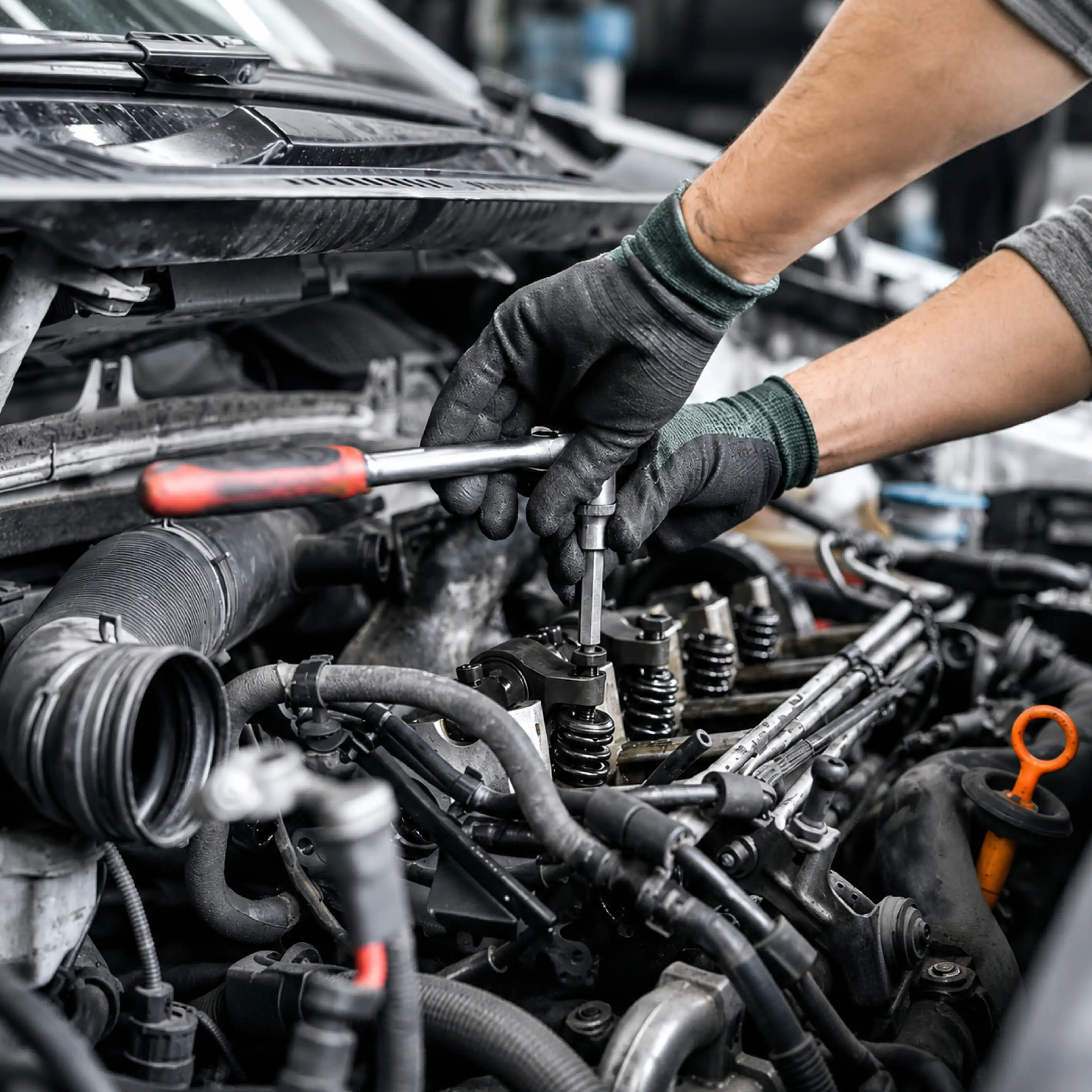
A typical spark plug replacement may include:
- Identifying the correct spark plugs for the engine.
- Accessing the spark plugs and removing relevant engine covers or components.
- Carefully removing the ignition coils or plug leads where fitted.
- Removing the existing spark plugs using the appropriate tools.
- Inspecting the removed plugs for signs of abnormal wear or contamination.
- Installing the correct replacement spark plugs to the manufacturer’s specifications.
- Reassembling the ignition components.
- Checking the engine’s operation following replacement.
Some engines require additional labour because of the location of the spark plugs.
Correct installation is important, as overtightening, incorrect torque or unsuitable components can damage the cylinder head or spark plugs.
At Hardings, our technicians follow the appropriate procedures for your vehicle.
Spark Plugs vs Glow Plugs – What’s the Difference?
Although the names sound similar, spark plugs and glow plugs perform very different functions.
Spark Plugs – Petrol Engines
Produce an electrical spark to ignite the air and fuel mixture inside the engine’s cylinders.
Glow Plugs – Diesel Engines
Help heat the combustion chamber to assist starting, particularly in cold conditions.
Diesel engines generally ignite fuel through heat generated by compression rather than using a spark.
If you own a diesel vehicle, it will normally use glow plugs rather than spark plugs.
Both components can require attention, but their functions and servicing requirements are different.
What Happens if You Don’t Change Your Spark Plugs?
Where replacement is required, prolonged neglect can increase the risk of:
- Poor engine starting.
- Rough idling.
- Hesitation and reduced performance.
- Increased fuel consumption when misfiring.
- Greater demands on ignition components.
- Engine misfires.
- Increased exhaust emissions.
- Catalytic converter damage in severe cases.
These problems may develop gradually, which is why following the manufacturer’s servicing schedule is important.
Are Spark Plugs Checked During an MOT?
An MOT test includes checks of exhaust emissions and certain engine-related warning lights.
However, routine spark plug inspection or replacement is not part of the MOT test.
A vehicle can therefore pass its MOT even when its spark plugs are due for replacement.
Conversely, badly worn spark plugs causing poor combustion could contribute to emissions-related problems or an MOT failure.
An MOT pass is not a substitute for regular servicing and preventative maintenance.
Why Choose Hardings?
At Hardings (Hemel Hempstead) Ltd, we’ve been looking after motorists since 1946.
With decades of motor industry experience, we understand the importance of maintaining your vehicle’s ignition system to support reliable engine performance.
As an independent garage, we service and repair all makes and models of cars and light commercial vehicles.
Whether your spark plugs are due for routine replacement, you’re experiencing starting difficulties or your engine isn’t running as smoothly as it should, our experienced technicians can advise on the appropriate maintenance or diagnostic work.
We use suitable quality replacement components that meet the specifications required for your engine.
We’ll explain the work involved and provide a clear quotation before carrying out any additional repairs.
Keep Your Engine Running Smoothly
Your spark plugs might be small, but they perform an essential job every time your petrol engine runs.
Replacing them at the correct intervals helps maintain reliable starting, smooth engine performance and efficient combustion.
It’s a relatively straightforward maintenance task that can help prevent more expensive problems in the future.
Not sure when your spark plugs were last replaced or whether they’re due for renewal?
Contact Hardings (Hemel Hempstead) Ltd with your vehicle registration number and current mileage.
Our friendly team can help check the recommended spark plug replacement interval and provide a competitive quotation.
Hardings – Looking After You and Your Car Since 1946.