Coolant and Antifreeze
October 16, 2026
|
Hardings Garage
Even a low-mileage vehicle may require coolant replacement because the protective additives can deteriorate with time.
Does It Matter Which Antifreeze Is Used?
Absolutely! Not all coolant and antifreeze products are the same.
Different manufacturers use different chemical formulations and additive technologies.
Common coolant technologies include:
IAT – Inorganic Additive Technology
Often associated with certain older vehicle cooling systems.
OAT – Organic Acid Technology
Used in many modern vehicles and designed to provide long-lasting corrosion protection.
Hybrid Coolant Technologies
Combine different additive approaches to meet particular manufacturer requirements.
There are also numerous manufacturer-specific specifications.
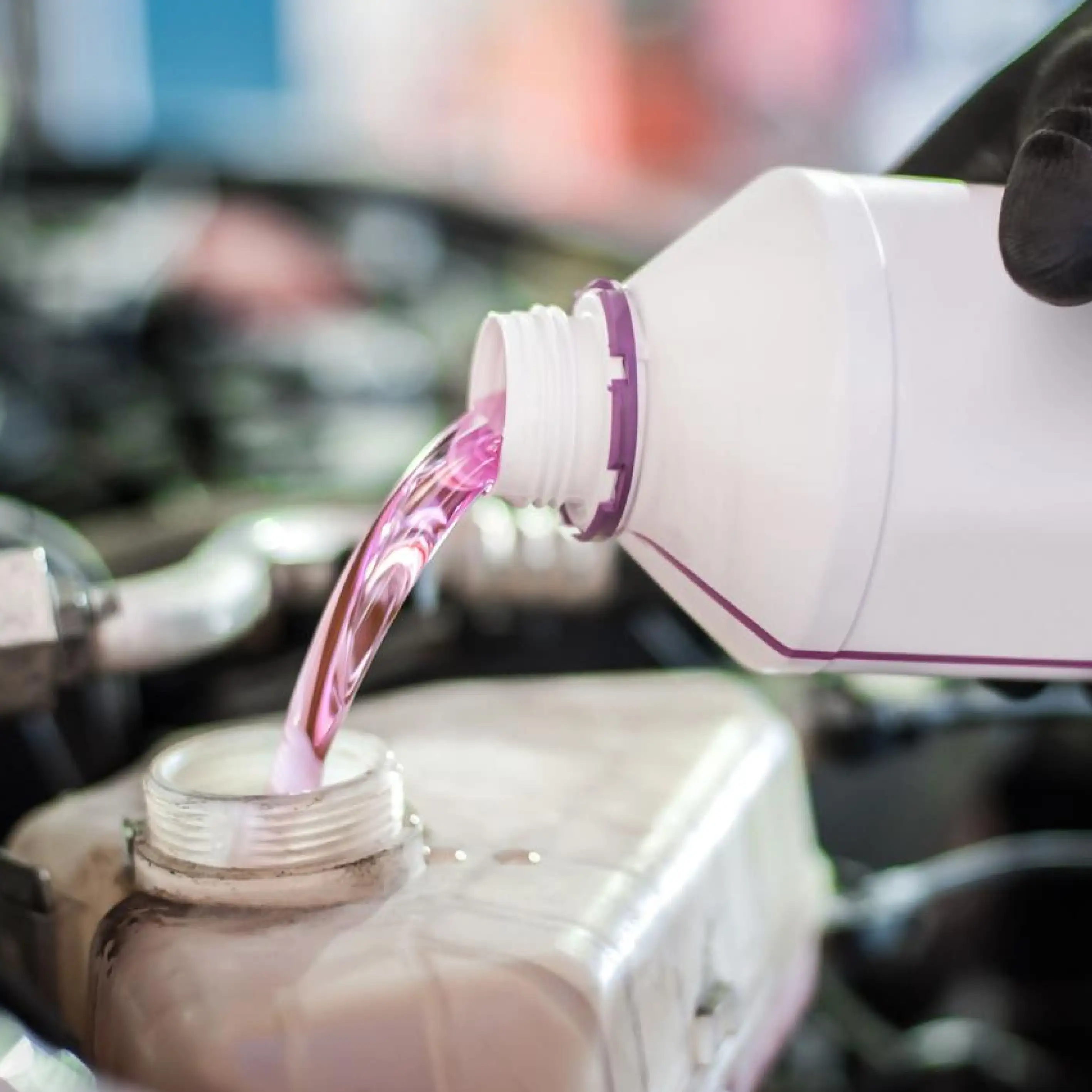
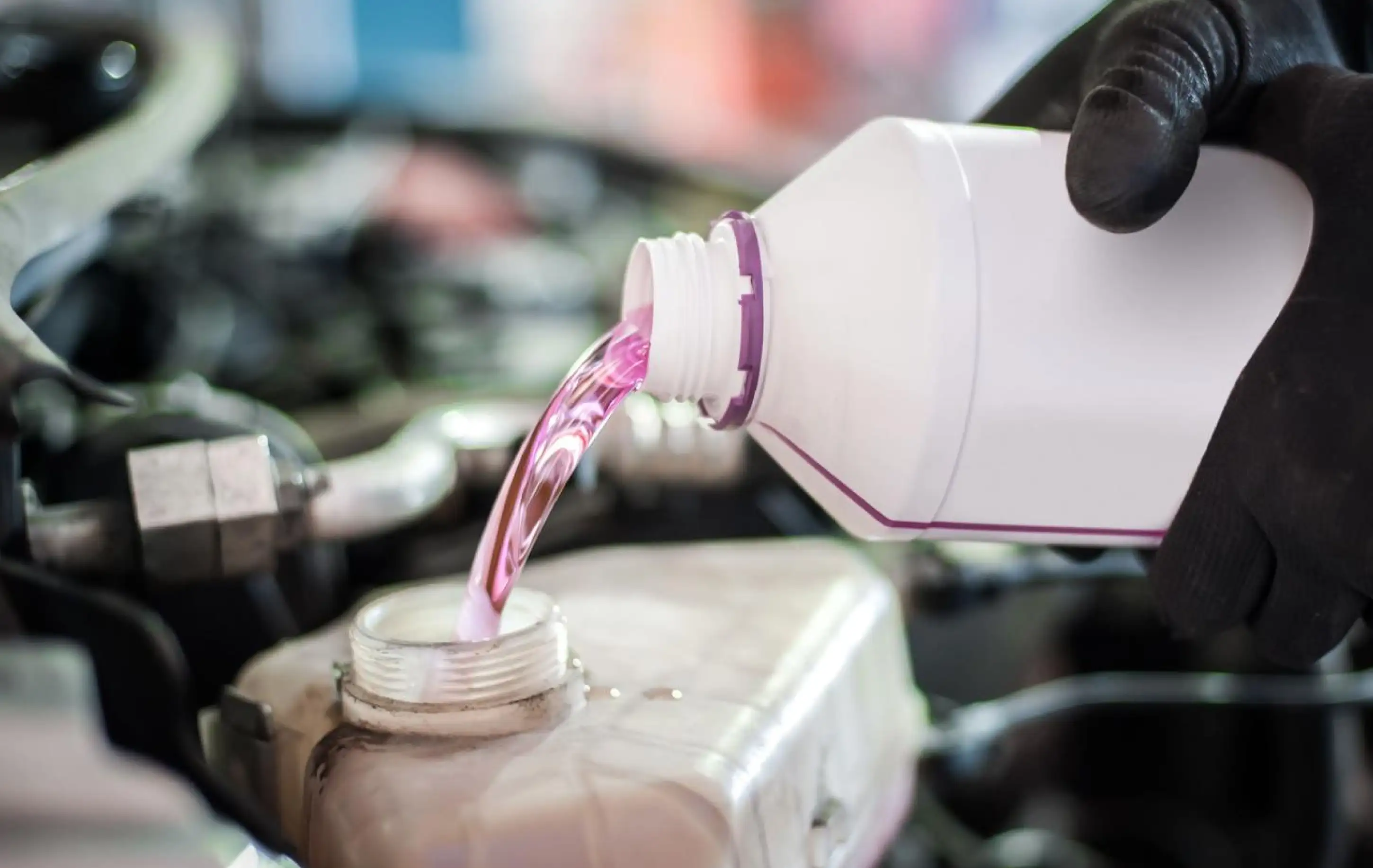
Coolant colour alone is not a reliable way of identifying the correct type.
Pink, blue, green, orange and other colours can be used for different formulations depending on the manufacturer.
Mixing incompatible coolant types can reduce protection or cause deposits and other problems.
At Hardings, we use coolant that meets the correct specification for your particular vehicle.
Why Is the Correct Coolant Mixture Important?
Many cooling systems use a mixture of antifreeze concentrate and suitable water.
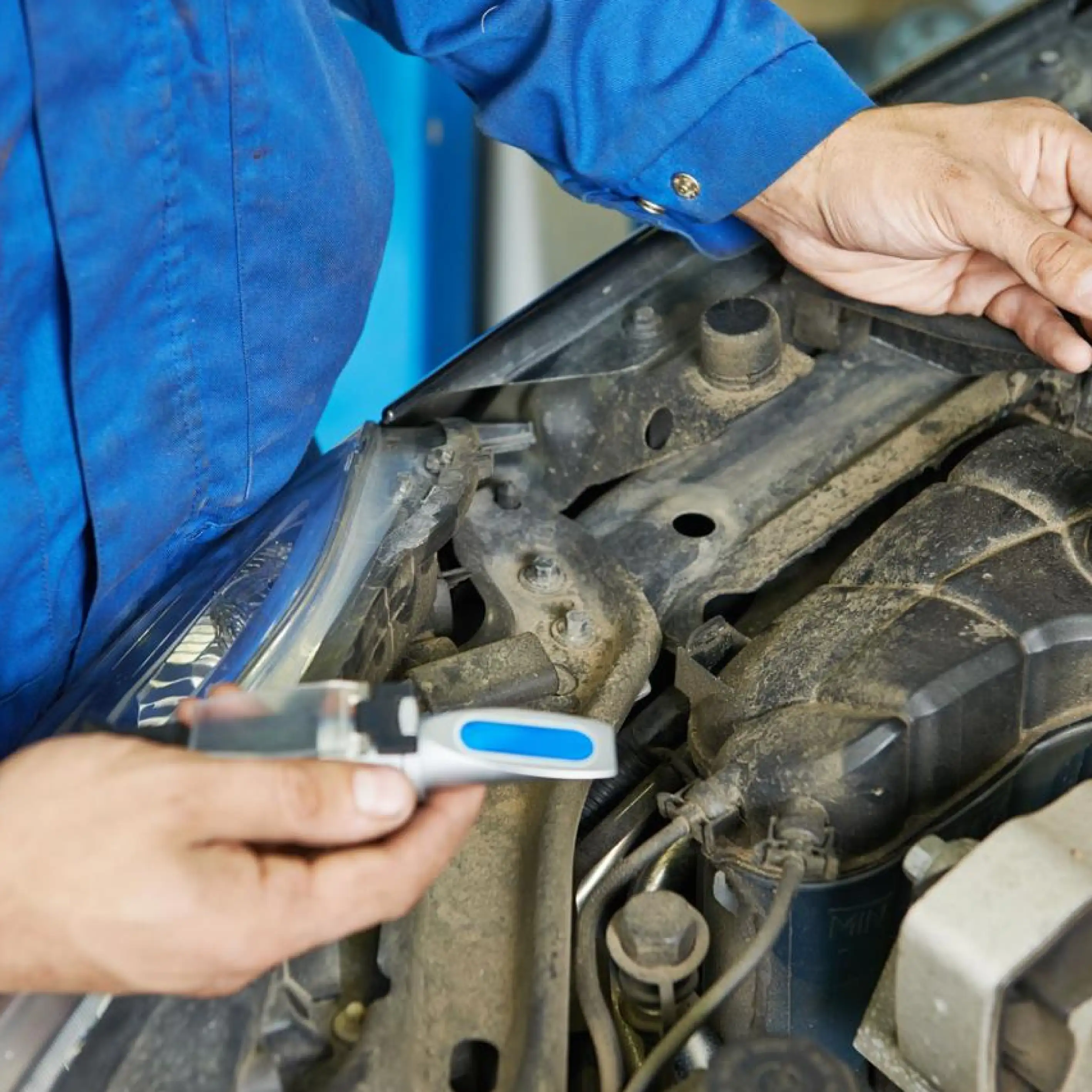
The correct mixture provides freeze protection, corrosion protection and the intended cooling performance.
For numerous conventional systems, a 50/50 coolant mixture is commonly specified.
However, the correct concentration varies according to the manufacturer, coolant type and operating conditions.
Too little antifreeze may provide inadequate freeze and corrosion protection.
An excessively strong antifreeze mixture can also reduce heat-transfer performance and may provide less effective freeze protection than the recommended concentration.
Some vehicles require premixed coolant that should not be diluted.
Using the correct coolant and concentration is essential to protecting your engine.
What Is Involved in a Coolant & Antifreeze Replacement?
The exact procedure depends on your vehicle’s cooling system.
A typical coolant replacement may include:
- Identifying the correct manufacturer-approved coolant.
- Inspecting accessible cooling system components for signs of leaks or damage.
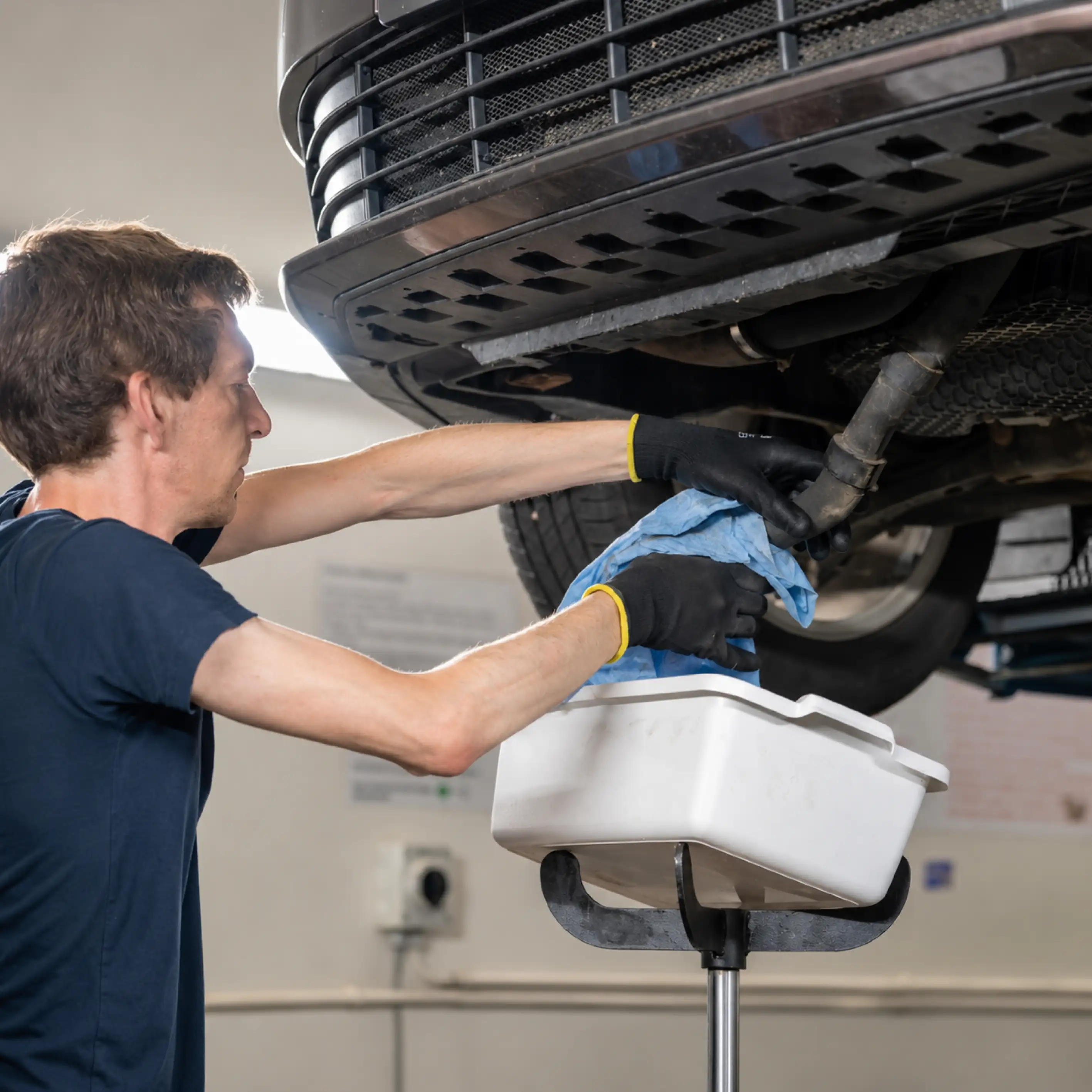
- Draining the existing coolant using the appropriate procedure.
- Flushing the cooling system where required and appropriate.
- Refilling with the correct coolant specification and concentration.
- Removing trapped air using the manufacturer’s recommended bleeding procedure.
- Checking coolant circulation, levels and system operation.
- Inspecting for leaks after the replacement.
Some modern vehicles require specialist filling or bleeding procedures, particularly those with complex cooling circuits.
At Hardings, our technicians can advise on the appropriate procedure for your vehicle.
Coolant Replacement vs Coolant Top-Up – What's the Difference?
These are two different types of maintenance.
Coolant Top-Up
Adds a suitable coolant mixture to restore the correct level when appropriate.
However, topping up does not renew the protective additives throughout the cooling system.
If the coolant level repeatedly drops, the cause should be investigated.
Coolant Replacement
Involves draining and renewing the coolant in accordance with the manufacturer’s procedure.
This helps restore the protective properties of the coolant and remove some of the existing contamination.
Repeatedly topping up coolant is not a substitute for correct maintenance or repairing a leak.
What Happens if You Don't Change Your Coolant?
Where coolant replacement is required, prolonged neglect can increase the risk of:
- Reduced corrosion protection.
- Internal rust and deposits.
- Deterioration of cooling system components.
- Water pump and radiator problems.
- Reduced freeze protection where the concentration is incorrect.
- Cooling system restrictions.
- Expensive repairs in severe cases.
Although problems may not appear immediately after coolant becomes overdue, regular maintenance helps reduce the risk of preventable deterioration.
Can Old Coolant Cause an Engine to Overheat?
It can contribute to cooling system problems, particularly if the coolant is heavily contaminated or the protective additives have deteriorated.
However, overheating can also be caused by:
- Low coolant levels or leaks.
- A faulty thermostat.
- A failing water pump.
- Radiator restrictions.
- Cooling fan faults.
- Head gasket problems.
- Air trapped within the cooling system.
Simply changing the coolant will not necessarily resolve an existing overheating problem.
At Hardings, we can investigate cooling system faults and advise on the appropriate repairs.
Is Coolant Checked During an MOT?
An MOT test includes certain checks relating to visible fluid leaks and defects that may affect roadworthiness.
However, an MOT does not include routine testing of the coolant’s corrosion inhibitors, freeze protection or remaining service life.
This means a vehicle can pass its MOT even when its coolant is overdue for replacement.
An MOT pass is not a substitute for regular servicing and preventative maintenance.
Why Choose Hardings?
At Hardings (Hemel Hempstead) Ltd, we’ve been looking after motorists since 1946.
With decades of motor industry experience, we understand the importance of maintaining your vehicle’s cooling system to help protect its engine.
As an independent garage, we service and maintain all makes and models of cars and light commercial vehicles.
Whether your coolant is due for replacement, you’re unsure which antifreeze your vehicle requires or you’ve noticed a cooling system problem, our experienced technicians can advise on the appropriate checks and maintenance.
We’ll explain what your vehicle needs and provide a clear quotation before carrying out any additional work.
Protect Your Engine in Every Season
Your coolant doesn’t just protect your car during freezing weather.
It plays an important role every time you drive, helping control engine temperature and protect valuable internal components against corrosion.
Regular replacement at the correct intervals is a relatively straightforward way to help maintain engine reliability and avoid unnecessary repairs.
Not sure when your coolant was last changed or when your next replacement is due?
Contact Hardings (Hemel Hempstead) Ltd with your vehicle registration number and current mileage.
Our friendly team can help check the recommended coolant replacement interval and provide a competitive quotation.
Hardings – Looking After You and Your Car Since 1946.